





Safe and sparkly gymnastics leotards that meet competition rules
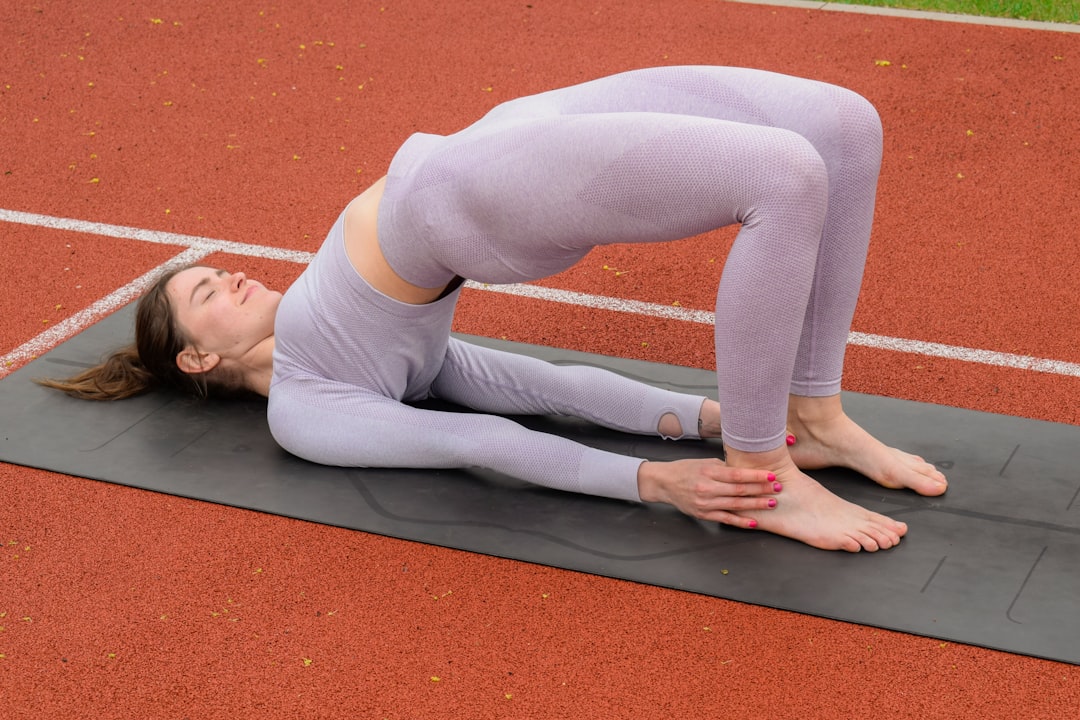
Leotards for gymnastics must look dazzling while staying safe and legal for competition. I will guide vous through how to decorate garments so they retain flexibility, survive apparatus contact, respect federation guidelines, and sparkle without creating hazards. You will find practical design choices, attachment methods, stone-placement strategies, and testing steps to ensure your creation shines under lights—and on the scoreboard.
Understanding competition rules and federation guidelines
What federations typically require for decorated leotards
Most federations demand that decorations pose no safety risk, do not provide an unfair advantage, and remain firmly attached. je focus on the common principles you will encounter: no loose elements that can fall onto apparatus, no sharp edges, and nothing that could alter grip or landing. Vous devez always consult the specific rulebook (FIG, USAG, or national bodies) before finalizing designs, because exact wording and interpretations can vary by level and event.
How to verify compliance before competition
Start by reading the applicable apparel section of the federation rules and any recent updates. je recommend documenting compliance—photos, specifications of stones/settings, and notes from supplier communications—so vous can present evidence if questioned. When in doubt, contact your federation's apparel or technical committee; a quick pre-approval can save you from last-minute penalties.
Materials and attachment methods that preserve flexibility
Choosing stretch-friendly fabrics and embellishments
A leotard must stretch without distortion. Select high-elasticity fabrics (nylon-Lycra blends, power mesh) and pair them with low-profile embellishments. Flat-backed rhinestones, micro-studs, and thin metallic trims maintain the fabric's stretch when placed thoughtfully. je advise avoiding bulky beads or metal findings that resist elongation and create stress points.
Glue, hot-fix, sewing: pros and cons
- Hot-fix crystals: quick and clean, but heat application can weaken delicate meshes. Use only on stable fabric areas.
- Adhesive glues (industrial fabric adhesives): strong, flexible options exist (look for flexible, washable-rated formulations), yet curing time and fumes require careful handling.
- Sew-on settings: most durable and repairable; they add tiny punctures but distribute stress better.
je prefer a mixed approach: sew high-stress rows near seams or stretch points, use hot-fix or flexible glue for decorative outer areas. Vous should always test the chosen method on a fabric swatch under real stretch conditions.
Designing for apparatus contact and safety
Avoiding high-friction and high-contact zones
Consider apparatus interaction: beam, bars, vault, and floor all involve different contact points. Avoid placing embellishments where hands, legs, or body repeatedly touch equipment—wrist cuffs, palm-facing seams, inner thigh and crotch seams, and the shoulder blades during bars kips. je suggest concentrating sparkle on torso front, upper chest (when not impeding breathing), and lower back areas that rarely contact equipment.
Preventing snagging and reducing hazards
Rounded, low-profile stones minimize snag risk. Edge-sealed applique and bonded trims stop fraying. For high-exposure leotards (bars and beam specialists), limit three-dimensional elements to decorative prints and very low-profile crystals. vous must also ensure no part can catch chalk or tape and detach mid-routine.
Optimal stone placement and aesthetic strategies
Visual balance, camera appeal, and judge perception
Design with movement in mind: stones that emphasize lines and extension catch judges' and cameras' attention. Vertical or diagonal lines elongate the silhouette; focal clusters near the collarbone or hip can complement choreography. je recommend mock-ups photographed under competition lighting to verify that sparkle reads well from several meters away without becoming distracting.
Durability testing and final checks
Before competition, perform these checks on the finished leotard:
- Stretch test: fully extend fabric where decorations are placed; look for cracking or lifting.
- Wash and dry cycle: simulate laundering per care label and recheck attachment integrity.
- Abrasion test: rub decorated areas with tape or a soft pad to mimic equipment contact.
- Field test: have the gymnast wear the leotard during practice—on beam, bars, vault run-throughs—and inspect for loosening.
If any stone fails or edges lift, repair with sewing or replace with a flatter option. je always keep a small repair kit (clear flexible adhesive, thread, spare stones) in the gymnast's bag.
- Use flat-backed, low-profile crystals for heavy-contact disciplines
- Reinforce high-stress zones with stitching or backing fabric
- Map stone placement away from seams and known contact points
- Test under stretch, laundering, and simulated apparatus contact
- Keep documentation of materials and supplier specifications for inspections
Final tips for compliant, safe, and dazzling leotards
I aim to help vous create leotards that balance safety, durability, and visual impact. Prioritize flexible fabrics and low-profile embellishments, select attachment methods that move with the garment, and avoid placing stones where they can contact equipment. Always verify specific federation rules, run thorough durability tests, and carry repair supplies to competition. With thoughtful placement and robust attachment, vous obtiendrez a leotard that sparkles under lights while keeping the gymnast safe and rule-compliant.
To compare fabric types, low-profile embellishments, and repair accessories commonly used in competition-ready leotards, review product listings and specifications at 247dancewear.co.uk to match real-world options with the testing and attachment strategies outlined above.